
1
/
of
1
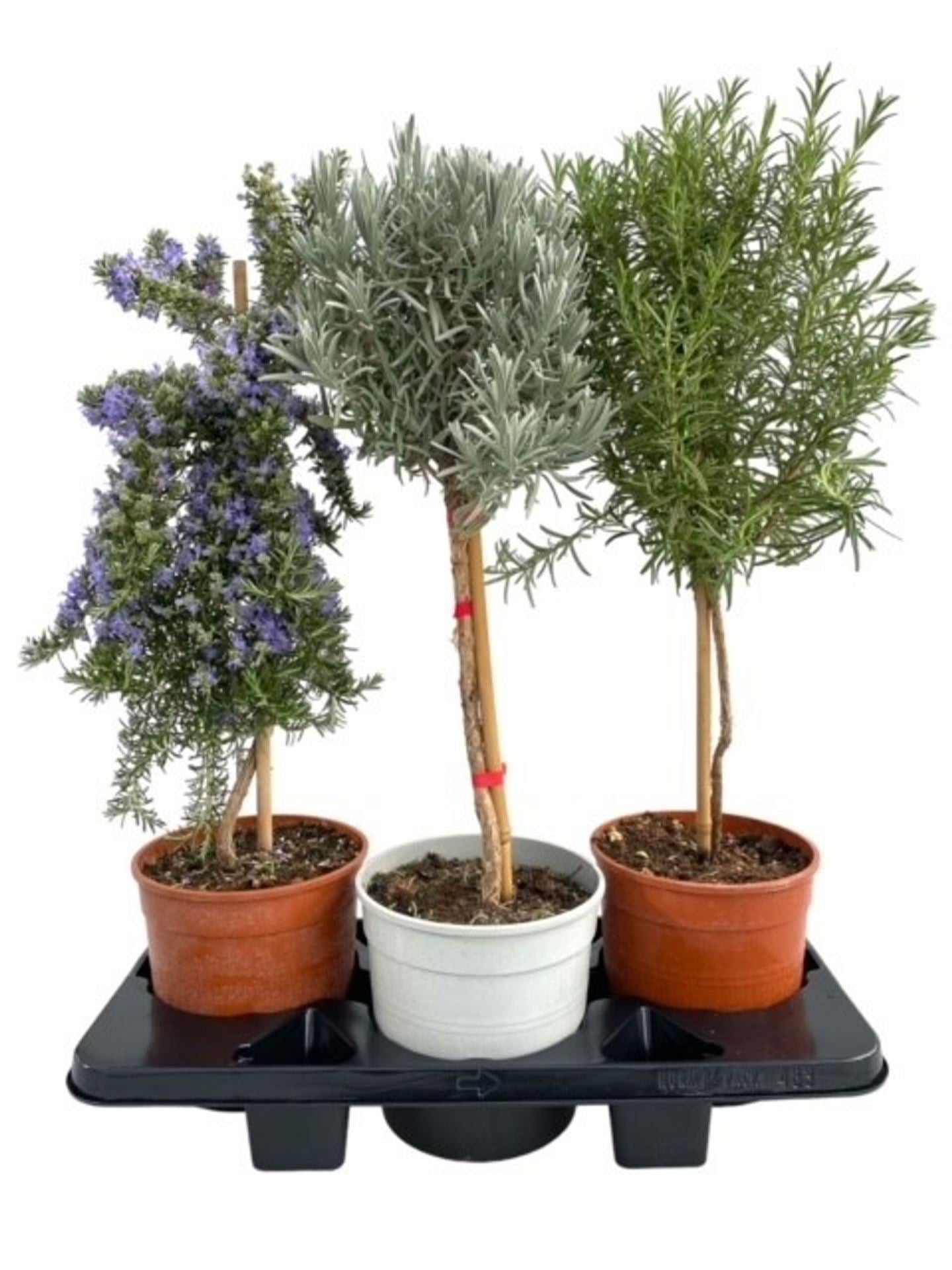
اعشاب كبيرة لافند او روزماري herbs mixed "OP STAM"
اعشاب كبيرة لافند او روزماري herbs mixed "OP STAM"
Regular price
9.000 KWD
Regular price
Sale price
9.000 KWD
Unit price
/
per
Shipping calculated at checkout.
Couldn't load pickup availability
Here's some general guidelines on how to grow and care for a mixed herb garden:
**1. Choose a Suitable Location:**
- Herbs generally prefer a location with well-draining soil and plenty of sunlight. Most herbs thrive in full sun, but some can tolerate partial shade.
**2. Soil Preparation:**
- Use a well-draining, nutrient-rich potting mix or garden soil. Herbs usually prefer slightly alkaline to neutral soil.
**3. Container Gardening:**
- If you're growing herbs in containers, ensure that the containers have drainage holes to prevent waterlogging. Use a good-quality potting mix.
**4. Watering:**
- Herbs prefer consistent moisture, but they don't like to be waterlogged. Water when the top inch of soil feels dry. Ensure good drainage to prevent root rot.
**5. Fertilization:**
- Herbs generally do well with a balanced, all-purpose fertilizer. Follow the recommended application rates on the fertilizer packaging. Some herbs may benefit from organic fertilizers.
**6. Grouping Compatible Herbs:**
- Group herbs with similar water and sunlight requirements together. For example, basil, oregano, and thyme often have similar needs.
**7. Pruning and Harvesting:**
- Regularly prune herbs to encourage bushy growth and prevent them from becoming leggy. Harvest herbs regularly to promote new growth and ensure the best flavor.
**8. Mulching:**
- Applying a layer of organic mulch around the base of the herbs helps retain soil moisture, suppress weeds, and regulate soil temperature.
**9. Common Herbs in Mixed Gardens:**
- Popular herbs to include in a mixed herb garden may include basil, parsley, mint, rosemary, thyme, chives, oregano, sage, and cilantro. Ensure each herb has adequate space to grow.
**10. Pest Control:**
- Keep an eye out for common pests such as aphids, spider mites, and caterpillars. Use organic pest control methods, like insecticidal soap or neem oil, if needed.
**11. Companion Planting:**
- Some herbs have natural pest-repelling properties. Consider companion planting to help deter pests. For example, planting basil near tomatoes may help repel certain insects.
**12. Winter Care (If Applicable):**
- If you're growing herbs outdoors and experience cold winters, consider protecting more sensitive herbs by bringing them indoors or providing winter mulch.
If "OP STAM" refers to a specific product or variety, please provide more context or details, and I'll do my best to assist you further.
**1. Choose a Suitable Location:**
- Herbs generally prefer a location with well-draining soil and plenty of sunlight. Most herbs thrive in full sun, but some can tolerate partial shade.
**2. Soil Preparation:**
- Use a well-draining, nutrient-rich potting mix or garden soil. Herbs usually prefer slightly alkaline to neutral soil.
**3. Container Gardening:**
- If you're growing herbs in containers, ensure that the containers have drainage holes to prevent waterlogging. Use a good-quality potting mix.
**4. Watering:**
- Herbs prefer consistent moisture, but they don't like to be waterlogged. Water when the top inch of soil feels dry. Ensure good drainage to prevent root rot.
**5. Fertilization:**
- Herbs generally do well with a balanced, all-purpose fertilizer. Follow the recommended application rates on the fertilizer packaging. Some herbs may benefit from organic fertilizers.
**6. Grouping Compatible Herbs:**
- Group herbs with similar water and sunlight requirements together. For example, basil, oregano, and thyme often have similar needs.
**7. Pruning and Harvesting:**
- Regularly prune herbs to encourage bushy growth and prevent them from becoming leggy. Harvest herbs regularly to promote new growth and ensure the best flavor.
**8. Mulching:**
- Applying a layer of organic mulch around the base of the herbs helps retain soil moisture, suppress weeds, and regulate soil temperature.
**9. Common Herbs in Mixed Gardens:**
- Popular herbs to include in a mixed herb garden may include basil, parsley, mint, rosemary, thyme, chives, oregano, sage, and cilantro. Ensure each herb has adequate space to grow.
**10. Pest Control:**
- Keep an eye out for common pests such as aphids, spider mites, and caterpillars. Use organic pest control methods, like insecticidal soap or neem oil, if needed.
**11. Companion Planting:**
- Some herbs have natural pest-repelling properties. Consider companion planting to help deter pests. For example, planting basil near tomatoes may help repel certain insects.
**12. Winter Care (If Applicable):**
- If you're growing herbs outdoors and experience cold winters, consider protecting more sensitive herbs by bringing them indoors or providing winter mulch.
If "OP STAM" refers to a specific product or variety, please provide more context or details, and I'll do my best to assist you further.
Share