

ثوم معمر
ثوم معمر
Couldn't load pickup availability
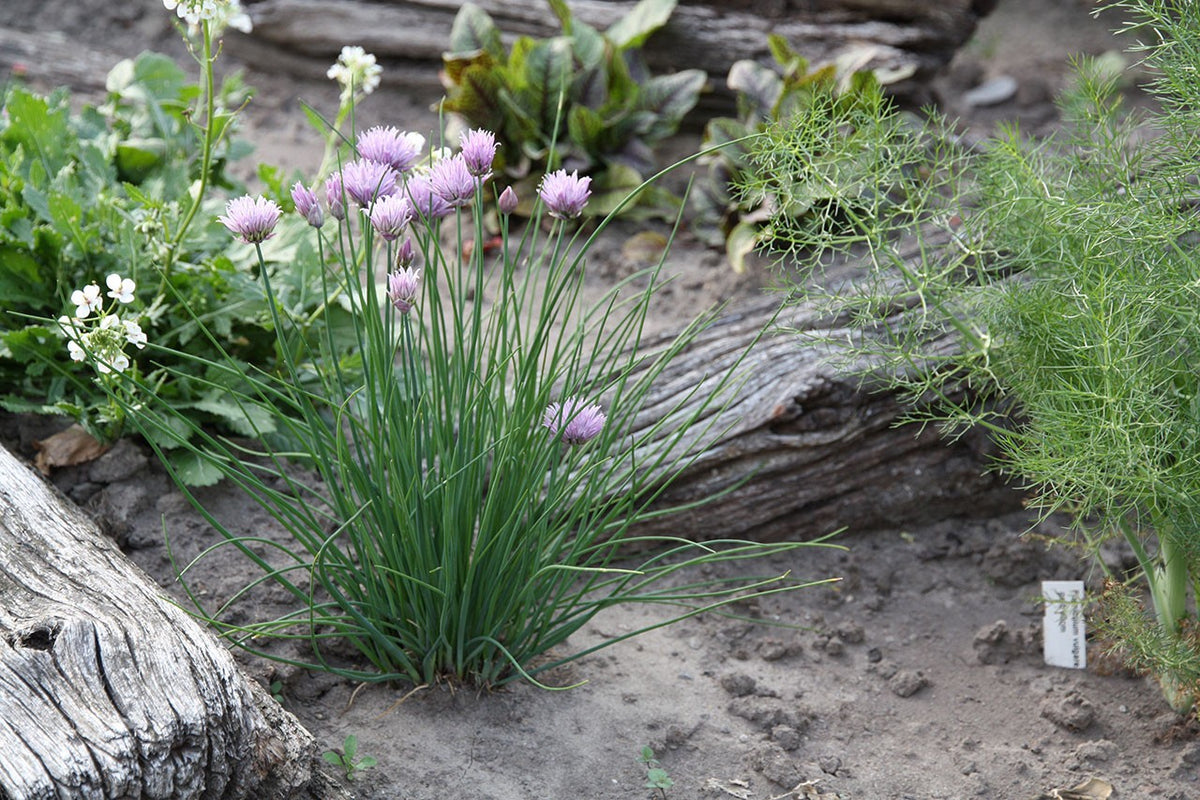
Allium schoenoprasum
Allium schoenoprasum, commonly known as chives, is a versatile and easy-to-grow herb. Here’s a concise guide on how to grow chives:
1. Climate: Chives are hardy and can be grown in a variety of climates. They are well-suited for USDA Hardiness Zones 3-9.
2. Sunlight: Plant chives in a location that receives full sunlight. They can tolerate partial shade but thrive in sunnier conditions.
3. Soil: Chives prefer well-draining, fertile soil. They are not overly picky about soil conditions but benefit from the addition of organic matter.
4. Planting: Chives can be grown from seeds, but it’s more common to plant them as small bulbs or transplants. Plant them in early spring or fall, spacing the bulbs or plants about 8-12 inches apart.
5. Watering: Keep the soil consistently moist, especially during dry periods. However, chives are relatively drought-tolerant once established, so be cautious not to overwater.
6. Fertilization: Chives don’t require heavy fertilization. Incorporate compost or a balanced fertilizer into the soil before planting. Avoid high-nitrogen fertilizers, as they can encourage excessive foliage growth at the expense of flavor.
7. Mulching: Apply a layer of mulch around the chive plants to retain soil moisture, suppress weeds, and regulate soil temperature.
8. Harvesting: Chives can be harvested when they are 6-8 inches tall. Snip the leaves with scissors, leaving at least 2 inches above the ground to allow for regrowth. Regular harvesting encourages bushier growth.
9. Pest and Disease Control: Chives are generally pest-resistant, but occasionally aphids or thrips may be a problem. Use insecticidal soap or neem oil if needed. Ensure good air circulation to prevent fungal diseases.
10. Division: Chives benefit from periodic division every 2-3 years. Dig up the clumps, separate them into smaller sections, and replant. This helps rejuvenate the plants and maintain their vigor.
11. Companion Planting: Chives are excellent companion plants. They can deter certain pests with their pungent aroma and may enhance the flavor of nearby vegetables.
12. Winter Care: Chives are typically perennial, and in many climates, they remain green throughout the winter. In colder regions, mulch around the plants to protect them from extreme cold.
Chives are a wonderful addition to gardens, both for their culinary uses and their attractive, grass-like foliage. They are versatile, growing well in containers, herb gardens, or as a border plant in flower beds.
Share