
1
/
of
1
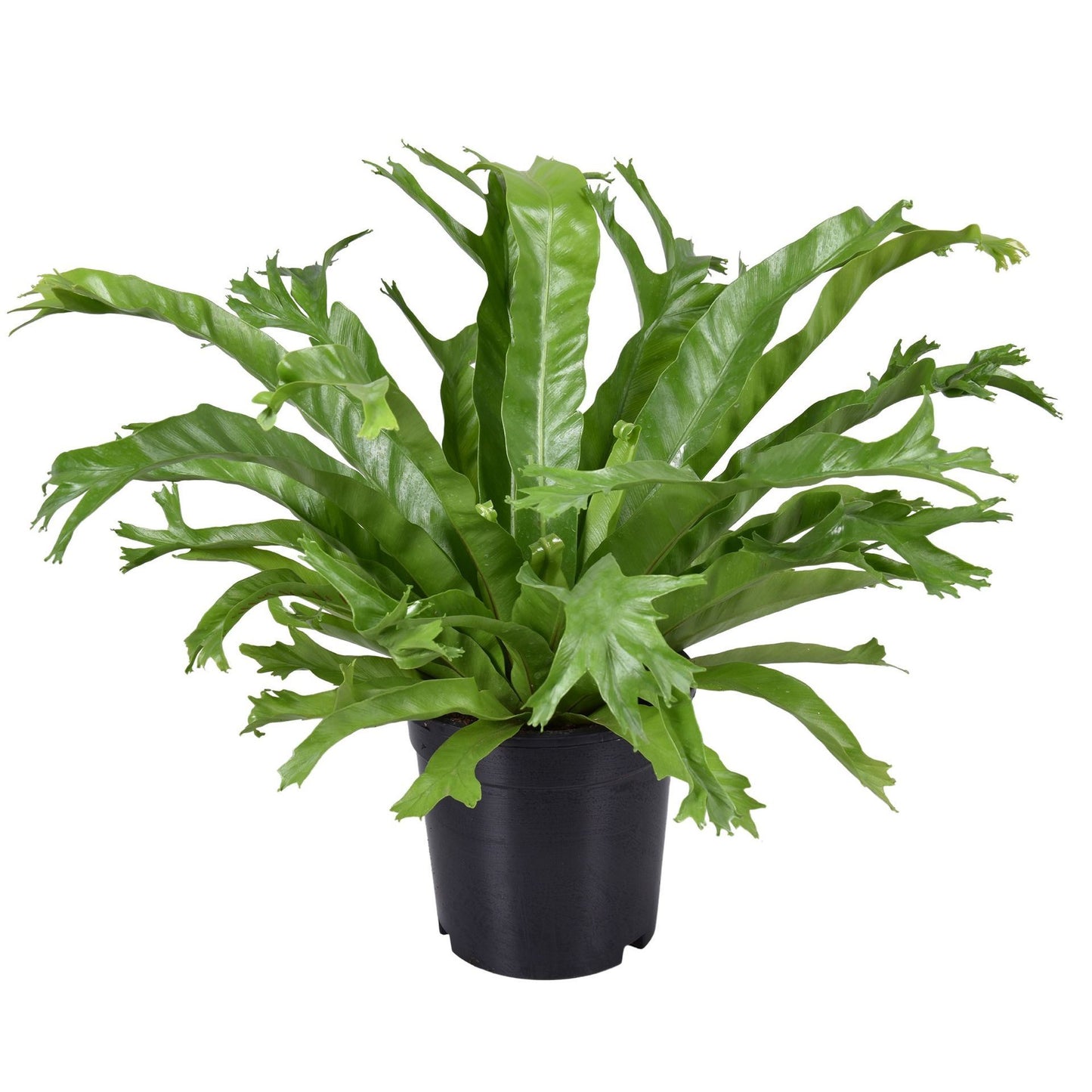
Asplenium Antiquum Crissie
Asplenium Antiquum Crissie
Regular price
38.000 KWD
Regular price
Sale price
38.000 KWD
Unit price
/
per
Shipping calculated at checkout.
Couldn't load pickup availability
Asplenium antiquum 'Crissie,' commonly known as Crissie's Bird's Nest Fern, is a cultivar of the larger Asplenium antiquum species. This fern is known for its attractive, arching fronds and its adaptability to indoor conditions. Here are guidelines for growing Asplenium antiquum 'Crissie':
1. **Light:**
- Provide bright, indirect light for the Crissie's Bird's Nest Fern. While it can tolerate lower light levels, it will thrive in a spot with filtered sunlight.
2. **Temperature:**
- Keep the fern in a warm environment. It prefers temperatures between 65°F to 75°F (18°C to 24°C) and should be protected from drafts and sudden temperature changes.
3. **Humidity:**
- Maintain high humidity for optimal growth. Bird's Nest Ferns, including 'Crissie,' benefit from a humidity level above 50%. You can increase humidity by misting the leaves or placing a humidifier nearby.
4. **Watering:**
- Keep the soil consistently moist but not waterlogged. Water when the top inch of the soil feels slightly dry.
- Avoid letting the soil dry out completely, as Bird's Nest Ferns prefer consistently moist conditions.
5. **Soil:**
- Use a well-draining, peat-based potting mix. A mix designed for orchids or ferns can work well.
6. **Container:**
- Plant the fern in a container with drainage holes to prevent waterlogging. Choose a pot that allows for adequate drainage.
7. **Fertilization:**
- Feed the fern with a balanced liquid fertilizer during the growing season (spring and summer) at half the recommended strength.
- Reduce or eliminate fertilization in the fall and winter when growth slows.
8. **Pruning:**
- Trim any brown or damaged fronds to maintain a tidy appearance. Use clean scissors or pruning shears for pruning.
9. **Cleaning:**
- Wipe the fronds with a damp cloth to remove dust. This helps the fern to breathe and absorb light more efficiently.
10. **Propagation:**
- Bird's Nest Ferns can be propagated by dividing the plant. This is best done during repotting when you notice multiple crowns or "nests."
11. **Disease and Pests:**
- Keep an eye out for pests like scale insects or spider mites. Treat any infestations promptly with insecticidal soap or neem oil.
- Ensure good air circulation to prevent fungal issues.
12. **Container Size:**
- Choose an appropriately sized container, considering the size of the fern and allowing room for growth. Repot when the fern outgrows its current container.
By providing the right conditions, you can enjoy the lush and vibrant foliage of Asplenium antiquum 'Crissie.' Regular monitoring and adjustments to care based on the fern's response will help keep it healthy and thriving.
1. **Light:**
- Provide bright, indirect light for the Crissie's Bird's Nest Fern. While it can tolerate lower light levels, it will thrive in a spot with filtered sunlight.
2. **Temperature:**
- Keep the fern in a warm environment. It prefers temperatures between 65°F to 75°F (18°C to 24°C) and should be protected from drafts and sudden temperature changes.
3. **Humidity:**
- Maintain high humidity for optimal growth. Bird's Nest Ferns, including 'Crissie,' benefit from a humidity level above 50%. You can increase humidity by misting the leaves or placing a humidifier nearby.
4. **Watering:**
- Keep the soil consistently moist but not waterlogged. Water when the top inch of the soil feels slightly dry.
- Avoid letting the soil dry out completely, as Bird's Nest Ferns prefer consistently moist conditions.
5. **Soil:**
- Use a well-draining, peat-based potting mix. A mix designed for orchids or ferns can work well.
6. **Container:**
- Plant the fern in a container with drainage holes to prevent waterlogging. Choose a pot that allows for adequate drainage.
7. **Fertilization:**
- Feed the fern with a balanced liquid fertilizer during the growing season (spring and summer) at half the recommended strength.
- Reduce or eliminate fertilization in the fall and winter when growth slows.
8. **Pruning:**
- Trim any brown or damaged fronds to maintain a tidy appearance. Use clean scissors or pruning shears for pruning.
9. **Cleaning:**
- Wipe the fronds with a damp cloth to remove dust. This helps the fern to breathe and absorb light more efficiently.
10. **Propagation:**
- Bird's Nest Ferns can be propagated by dividing the plant. This is best done during repotting when you notice multiple crowns or "nests."
11. **Disease and Pests:**
- Keep an eye out for pests like scale insects or spider mites. Treat any infestations promptly with insecticidal soap or neem oil.
- Ensure good air circulation to prevent fungal issues.
12. **Container Size:**
- Choose an appropriately sized container, considering the size of the fern and allowing room for growth. Repot when the fern outgrows its current container.
By providing the right conditions, you can enjoy the lush and vibrant foliage of Asplenium antiquum 'Crissie.' Regular monitoring and adjustments to care based on the fern's response will help keep it healthy and thriving.
Share