

ليمون مليسا
ليمون مليسا
Couldn't load pickup availability
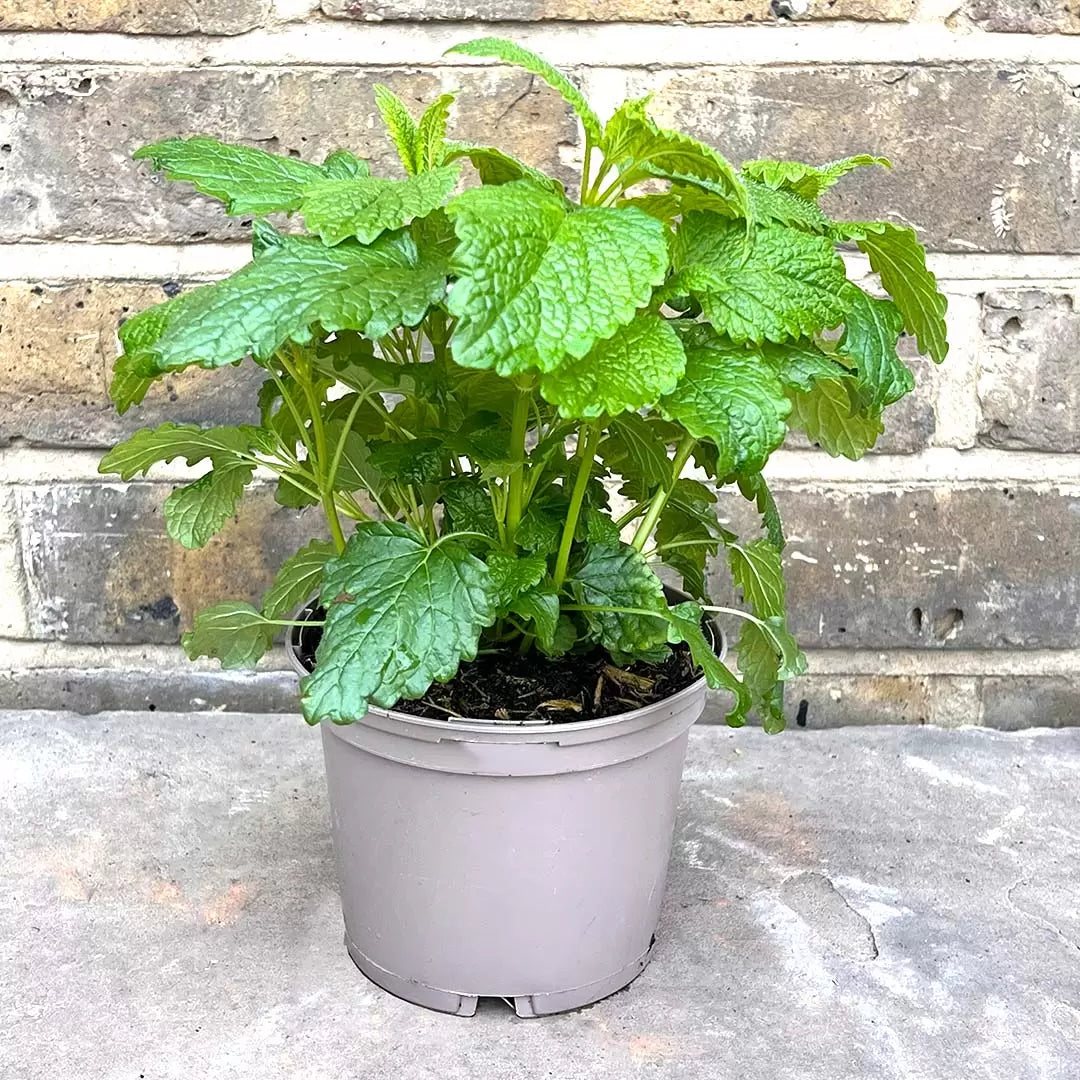
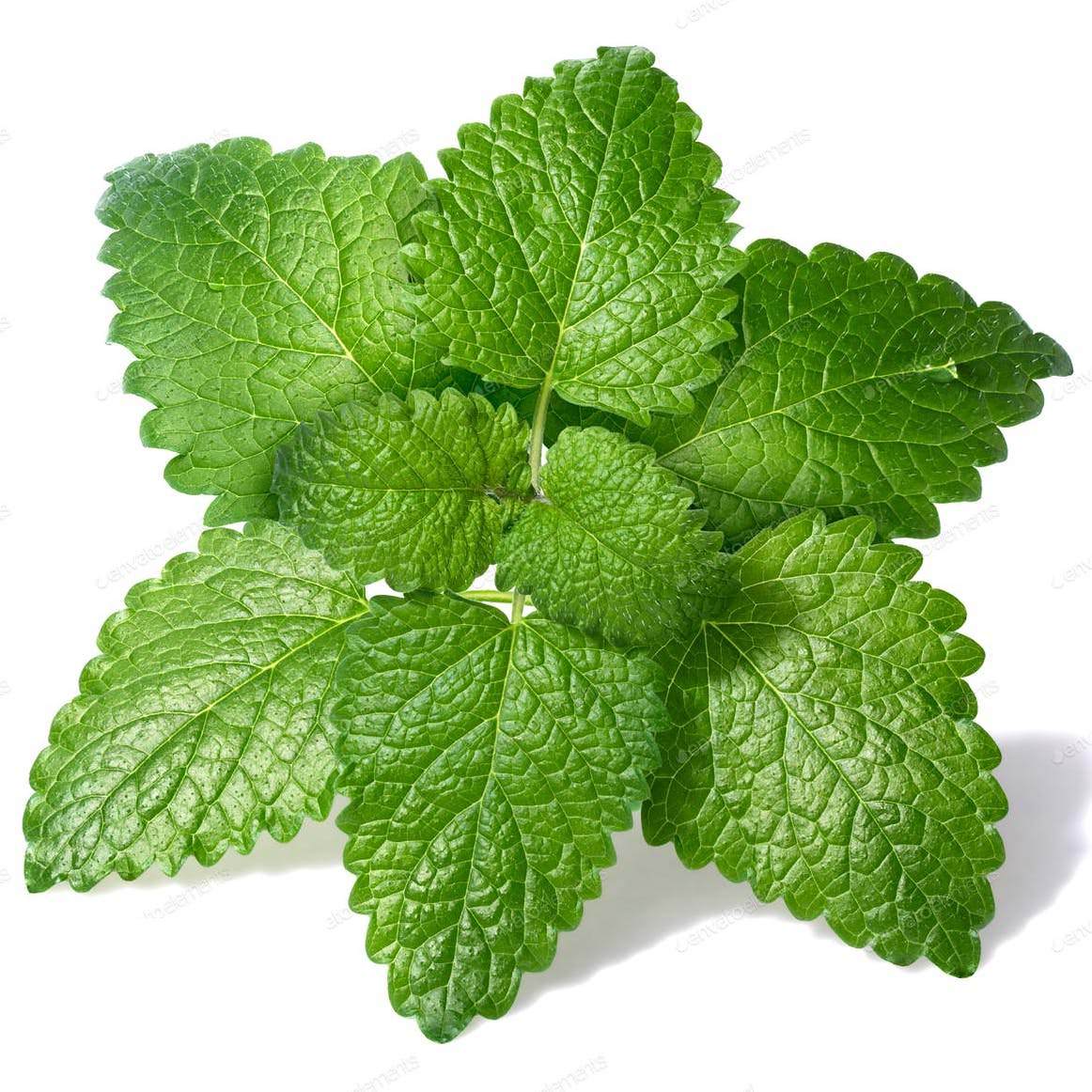
Melissa officinalis
Growing Melissa officinalis, commonly known as Lemon Balm, is a straightforward process. Here’s a guide to help you grow Lemon Balm successfully:
1. Site Selection: Choose a location with partial to full sunlight. Lemon Balm prefers well-drained soil and can tolerate a variety of soil types.
2. Soil Preparation: Use well-draining soil with a slightly acidic to neutral pH (around 6.0 to 7.0).
Incorporate organic matter like compost into the soil for improved fertility.
3. Planting: Lemon Balm can be grown from seeds, cuttings, or transplants. Plant seeds in spring or fall, or transplant young plants.
Space multiple plants about 18 to 24 inches apart.
4. Watering: Keep the soil consistently moist, especially during hot and dry periods.
Lemon Balm appreciates regular watering but avoid waterlogged conditions.
5. Mulching: Apply a layer of organic mulch around the plants to retain moisture, suppress weeds, and regulate soil temperature.
6. Fertilizing: Lemon Balm is not heavy feeder. A balanced, slow-release fertilizer in spring is usually sufficient. Avoid excessive nitrogen, as it can lead to lush growth at the expense of flavor.
7. Pruning: Regularly prune Lemon Balm to maintain its shape and encourage bushiness. Trim the plant after flowering to promote new growth and prevent it from becoming too leggy.
8. Winter Care: Lemon Balm is generally hardy, but mulching around the base can provide winter protection, especially in colder climates.
Trim back any dead or damaged growth in late winter or early spring.
9. Pest and Disease Control: Lemon Balm is relatively resistant to pests and diseases. However, watch for issues like aphids or powdery mildew.
Treat pests promptly with insecticidal soap, neem oil, or organic remedies.
10. Harvesting: Harvest Lemon Balm leaves as needed once the plant is well-established. Trim the stems with sharp scissors or pruning shears.
The flavor is most intense just before the plant flowers.
11. Companion Planting: Lemon Balm can be used as a companion plant to repel certain pests from nearby vegetables or ornamental plants.
12. Propagation: Propagate Lemon Balm through division or by taking cuttings. Division is best done in the spring. Allow cuttings to root in well-draining soil before transplanting.
Lemon Balm is known for its lemony fragrance and is commonly used in teas, culinary dishes, and for its medicinal properties. By following these guidelines, you can cultivate healthy Lemon Balm plants and enjoy their aromatic leaves. Adjust care practices based on your local climate and growing conditions.
Share