1
/
of
1
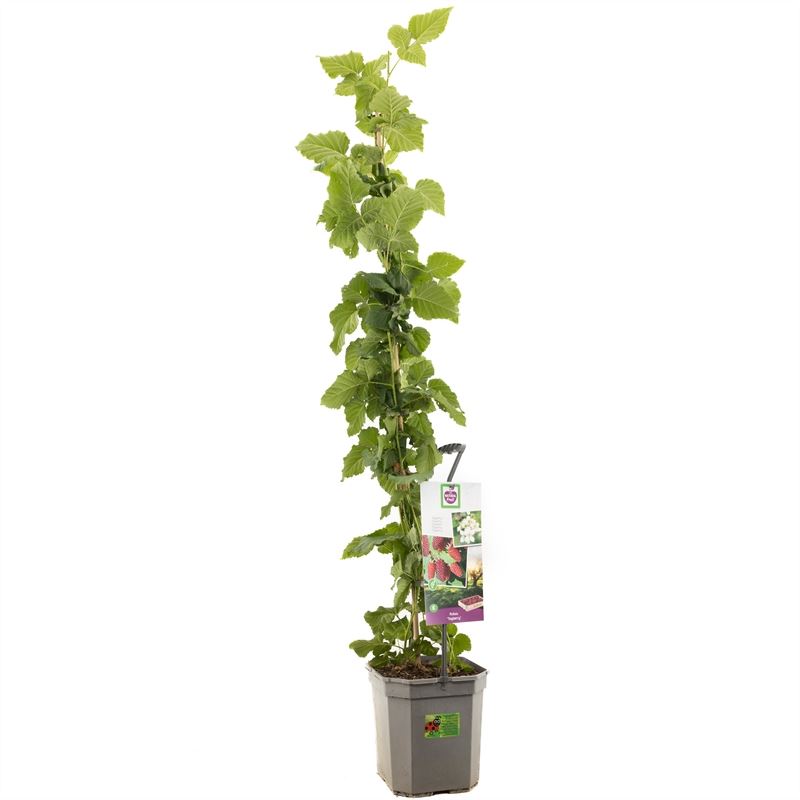
Rubus Tayberry P24 Kruising.
Rubus Tayberry P24 Kruising.
Regular price
28.000 KWD
Regular price
Sale price
28.000 KWD
Unit price
/
per
Shipping calculated at checkout.
Couldn't load pickup availability
The Rubus Tayberry P24 is a hybrid fruit, a cross between a raspberry and a blackberry. This plant produces elongated, sweet-tart berries that are larger than raspberries. If you want to grow this plant (which is similar to a Tayberry), follow these general guidelines:
1. Planting Location
- Sunlight: Tayberries thrive in full sun, so choose a spot where the plant will get at least 6-8 hours of sunlight per day.
- Soil: Well-drained, loamy soil is ideal. The soil should be rich in organic matter. You can improve soil quality by adding compost or well-rotted manure before planting.
- pH: A slightly acidic to neutral pH range (6.0–6.8) is best for tayberries. Test your soil, and adjust the pH with lime (to raise pH) or sulfur (to lower pH) if necessary.
2. Planting Time
- The best time to plant tayberries is late autumn or early spring. Ensure the risk of frost has passed if you're planting in spring.
3. Planting Procedure
- Spacing: Space plants around 1.5 meters (5 feet) apart to allow for air circulation and growth.
- Hole Preparation: Dig a hole large enough to accommodate the root system comfortably (approximately 45 cm deep and wide).
- Planting Depth: Place the plant at the same depth it was growing in its container or slightly deeper. Cover the roots and firm the soil around the base.
- Watering: Water well after planting and keep the soil consistently moist (but not waterlogged).
4. Support
- Tayberries grow on long canes that require support. Install a trellis or wire support system to guide the canes as they grow.
- Tie the canes to the support as they grow, encouraging upright growth for easier harvesting and preventing the fruit from touching the ground.
5. Watering & Mulching
- Tayberries need regular watering, especially during dry periods. Keep the soil consistently moist, but avoid waterlogging.
- Mulch around the base with organic material (such as straw or wood chips) to retain moisture, suppress weeds, and improve soil health.
6. Fertilization
- Apply a balanced fertilizer in early spring, such as a 10-10-10 NPK fertilizer. Avoid over-fertilizing, as excessive nitrogen can result in lush growth but fewer fruits.
- An additional feeding of potash (potassium) will encourage better fruit production.
7. Pruning
- Summer: Tayberries fruit on two-year-old canes, so once the fruiting season is over, prune those canes back to ground level.
- Winter/Spring: In late winter, check for any damaged or weak canes and remove them. Then tie the remaining canes to the support structure to ensure they’re ready for fruiting next season.
8. Pests & Diseases
- Tayberries can suffer from issues like aphids, mildew, or rust. Check the plants regularly for signs of disease and treat with organic pest control or fungicides if necessary.
- Maintain good airflow around the plants by spacing canes and removing excess foliage to reduce the risk of fungal diseases.
9. Harvesting
- Tayberries are typically ready to harvest in mid-summer (June-July). They are ripe when the berries are deep red or purple, and they detach easily from the canes.
- Be gentle when picking, as the fruit can be delicate.
By following these guidelines, you should be able to successfully grow and enjoy Rubus Tayberry P24.
Share