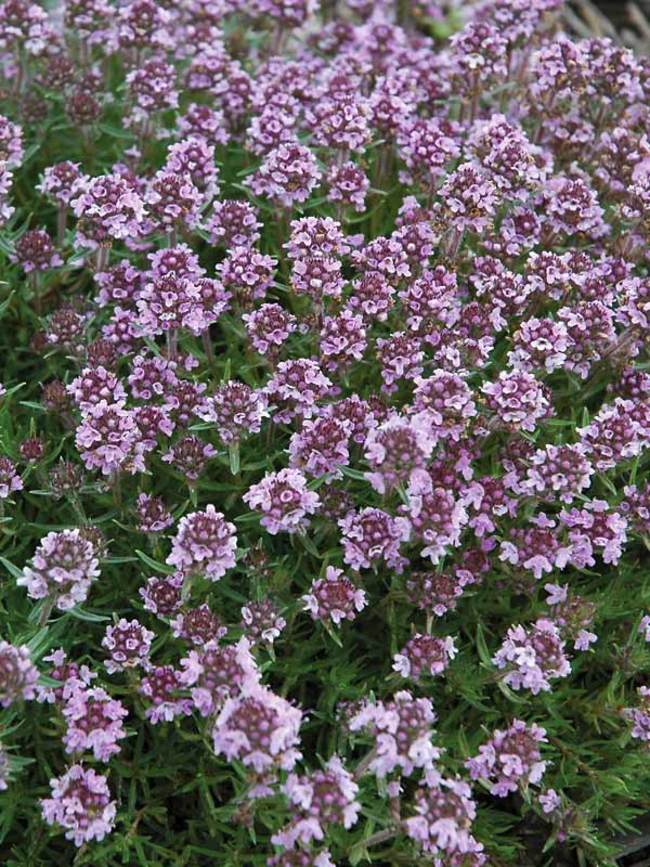


زعتر البرتقال
زعتر البرتقال
Couldn't load pickup availability
Thymus vulgaris orange
Growing Thymus vulgaris ‘Orange,’ or orange-scented thyme, involves several key steps. Here’s a concise guide to help you cultivate this fragrant herb:
1. Climate: Orange-scented thyme is well-suited for USDA Hardiness Zones 5-9. It thrives in a moderate climate.
2. Sunlight: Plant orange-scented thyme in a location with full sunlight. It appreciates at least 6 hours of direct sunlight daily.
3. Soil: Provide well-draining, sandy soil with a slightly alkaline to neutral pH. Good drainage is crucial for thyme.
4. Planting: Plant orange-scented thyme in the spring or early fall. Space the plants about 12 inches apart to allow for their spreading growth.
5. Watering: Water the plants moderately, allowing the soil to dry out between watering sessions. Thyme prefers slightly drier conditions.
6. Fertilization: Thyme is not a heavy feeder. A light application of a balanced fertilizer in the spring is usually sufficient.
7. Mulching: Apply a layer of mulch around the plants to help retain soil moisture, suppress weeds, and regulate soil temperature.
8. Pruning: Regularly prune orange-scented thyme to maintain its shape and encourage bushier growth. Pinch back the tips regularly to prevent legginess.
9. Harvesting: Harvest the leaves as needed for culinary use. The flavor is most intense just before the plant flowers.
10. Pest and Disease Control: Orange-scented thyme is generally resistant to pests and diseases. However, monitor for issues like spider mites or aphids and treat as needed.
11. Companion Planting: Thyme, including orange-scented thyme, is a good companion plant. It can help deter certain pests and enhance the flavor of neighboring plants.
12. Winter Care: Orange-scented thyme is relatively hardy, but in colder climates, it may benefit from protection during winter. Consider providing a layer of mulch around the plants.
13. Container Growing: Orange-scented thyme can be grown in containers, making it suitable for small gardens or balconies. Ensure the container has drainage holes.
14. Propagation: Propagate orange-scented thyme through cuttings or division. Take cuttings in the spring or fall for new plants.
Enjoy cultivating Thymus vulgaris ‘Orange’ for its citrusy aroma and culinary uses.
Share