1
/
of
3
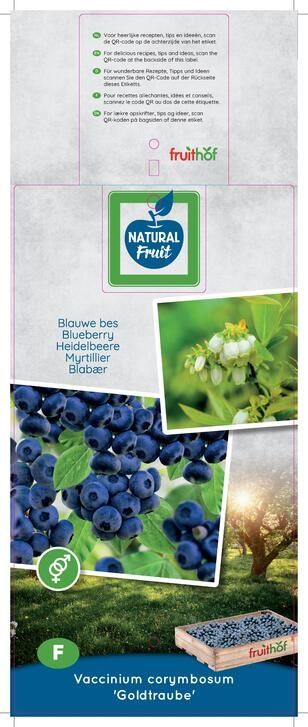
بلوبيري Goldtraube Blauwe bes
بلوبيري Goldtraube Blauwe bes
Regular price
18.500 KWD
Regular price
Sale price
18.500 KWD
Unit price
/
per
Shipping calculated at checkout.
Couldn't load pickup availability
Growing Vaccinium corymbosum 'Goldtraube', a reliable highbush blueberry variety known for its large, sweet berries, involves providing the right conditions and care. Here’s a step-by-step guide to ensure your 'Goldtraube' blueberries thrive and produce a bountiful harvest:
1. Planting Location
- Sunlight: Blueberries require full sun for optimal growth and fruit production. Ensure the plants receive at least 6-8 hours of sunlight per day. While ‘Goldtraube’ can tolerate partial shade, fruit production may decrease if light levels are too low.
- Soil: Blueberries thrive in acidic soil with a pH of 4.5 to 5.5. You can amend the soil with peat moss, sulfur, or pine needles to lower the pH. Test your soil before planting and adjust accordingly. The soil should be well-drained and rich in organic matter.
- Moisture: Ensure the soil is moist but well-drained. Blueberries do not tolerate waterlogged conditions, so avoid planting in heavy clay soils unless they are amended to improve drainage.
2. Planting Time
- Plant 'Goldtraube' blueberries in early spring or late fall when the plants are dormant. This allows them to establish strong roots before the growing season or winter dormancy.
3. Planting Procedure
- Spacing: 'Goldtraube' bushes grow to about 1.5–2 meters (5-6 feet) in height and width, so space them about 1.5–2 meters (5-6 feet) apart. This spacing ensures proper air circulation and allows the plants room to grow.
- Hole Preparation: Dig a hole about twice the width of the root ball and just as deep. Mix the soil you removed with compost or peat moss to improve soil structure and acidity.
- Planting Depth: Place the plant in the hole so that the top of the root ball is level with or slightly above the surrounding soil. Do not plant too deeply, as this can cause the plant to struggle.
- Watering: Water the plant thoroughly after planting to help settle the soil around the roots.
4. Watering & Mulching
- Watering: Blueberries need regular and deep watering, especially during the first growing season. Water about 2.5–5 cm (1-2 inches) per week, and more during hot, dry periods. Avoid overwatering, as this can lead to root rot.
- Mulching: Apply a 5-8 cm (2-3 inch) layer of mulch, such as pine needles, pine bark, or wood chips, around the base of the plant. Mulch helps retain moisture, keeps the soil cool, and maintains soil acidity. Avoid piling mulch directly against the stem of the plant.
5. Fertilization
- Acid-Loving Fertilizer: Use a fertilizer formulated for acid-loving plants (like those for azaleas or rhododendrons). Apply the fertilizer in early spring, and again after the first round of fruiting. Avoid using fertilizers with high levels of nitrogen, as they can encourage excessive leafy growth at the expense of fruit production.
- Organic Fertilizer: You can also use organic compost or well-rotted manure to enrich the soil, ensuring it is applied carefully to avoid raising soil pH.
6. Pruning
- Young Plants (1-3 years): Minimal pruning is needed for the first few years. Focus on removing any dead, weak, or damaged branches to promote healthy growth and a strong plant structure.
- Mature Plants: Prune mature plants in late winter or early spring before new growth begins. Remove any dead wood, and thin out old canes (typically those older than 3-4 years) to encourage new, productive growth. Thinning helps improve air circulation and light penetration, which leads to better fruit quality and reduces the risk of disease.
- Renewal Pruning: Every year, remove 1-2 of the oldest canes to allow for new, vigorous growth.
7. Pollination
- 'Goldtraube' is self-pollinating, meaning it can produce fruit on its own. However, planting additional blueberry varieties nearby can improve cross-pollination, resulting in larger berries and higher yields. Varieties like 'Bluecrop' or 'Patriot' work well for cross-pollination.
8. Pests & Diseases
- Pests: Common pests include birds, aphids, and spotted wing drosophila. Birds can be a major problem, so consider using bird netting to protect the berries as they ripen.
- Diseases: Blueberries can be affected by powdery mildew, botrytis (gray mold), and root rot. To prevent these issues, ensure the plants are well-spaced for proper air circulation, avoid overhead watering, and plant in well-drained soil. Regular pruning and removing dead or diseased branches also help prevent fungal infections.
9. Harvesting
- Ripening Time: 'Goldtraube' blueberries typically ripen in mid to late summer (July to August). The berries are ready to pick when they turn a deep blue and come off easily with a gentle tug.
- Harvest Regularly: Blueberries ripen over a period of several weeks, so check the plants regularly to harvest the ripest berries. Leaving berries on the bush for a few extra days after turning blue will make them sweeter.
- Yield: Once established, 'Goldtraube' blueberry plants can produce 4-6 kg (9-13 lbs) of fruit per bush each season.
10. Winter Care
- Cold Hardy: 'Goldtraube' is hardy to USDA zones 4-7, meaning it can tolerate cold winters. In colder climates, applying a thicker layer of mulch (about 10 cm) around the base of the plant in late fall can help insulate the roots.
- Snow Protection: In areas with heavy snow, consider covering the plants with burlap or another protective material to prevent damage from heavy snow or ice.
Additional Tips:
- Soil pH Monitoring: Regularly test the soil pH to ensure it remains in the ideal acidic range. If necessary, amend the soil with sulfur or iron sulfate to maintain the appropriate acidity.
- Container Growing: 'Goldtraube' can also be grown in large containers, provided the soil is acidic, and the container has proper drainage. Use an acidic potting mix designed for blueberries, azaleas, or rhododendrons.
By following these guidelines, you can grow healthy, productive 'Goldtraube' blueberry bushes, providing you with delicious blueberries for many years to come.
Share